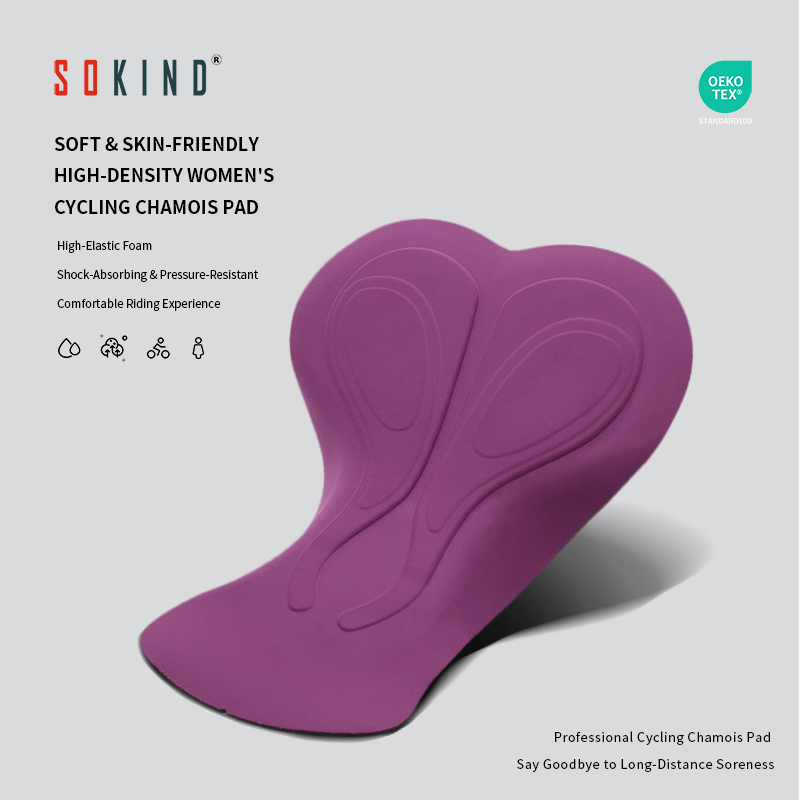
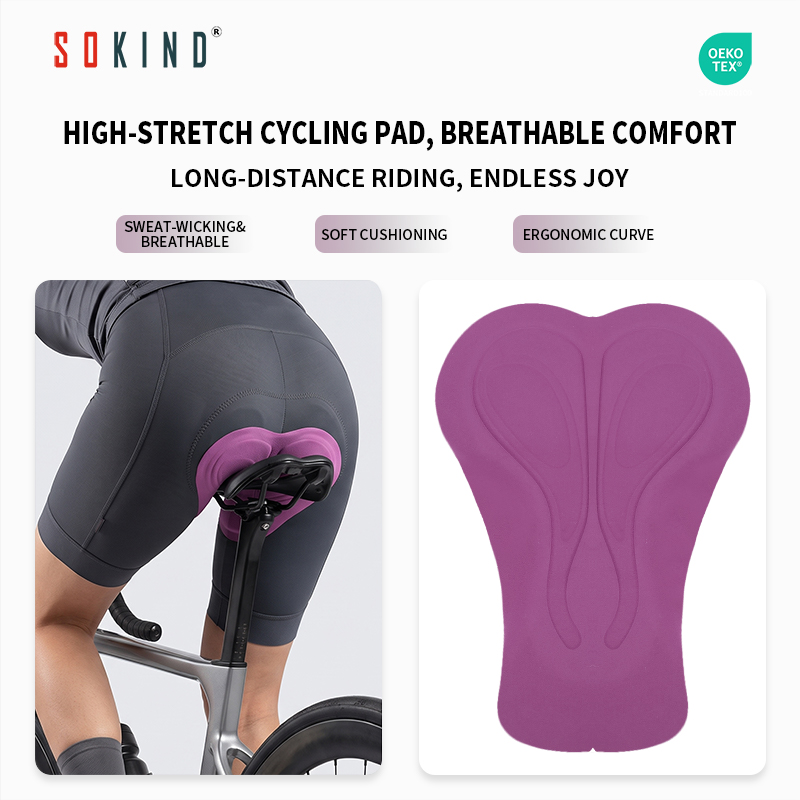
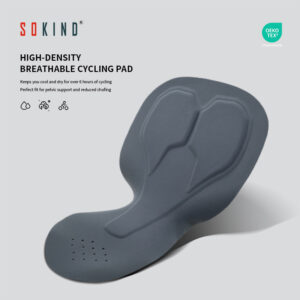
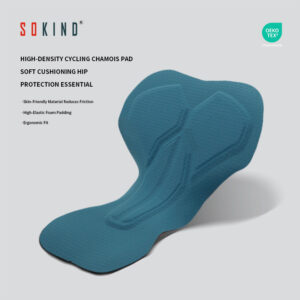
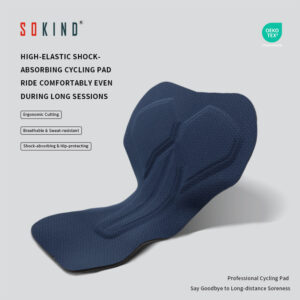
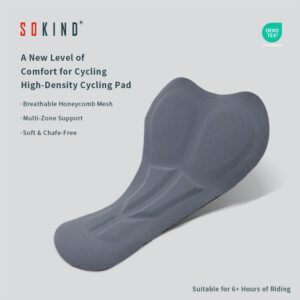
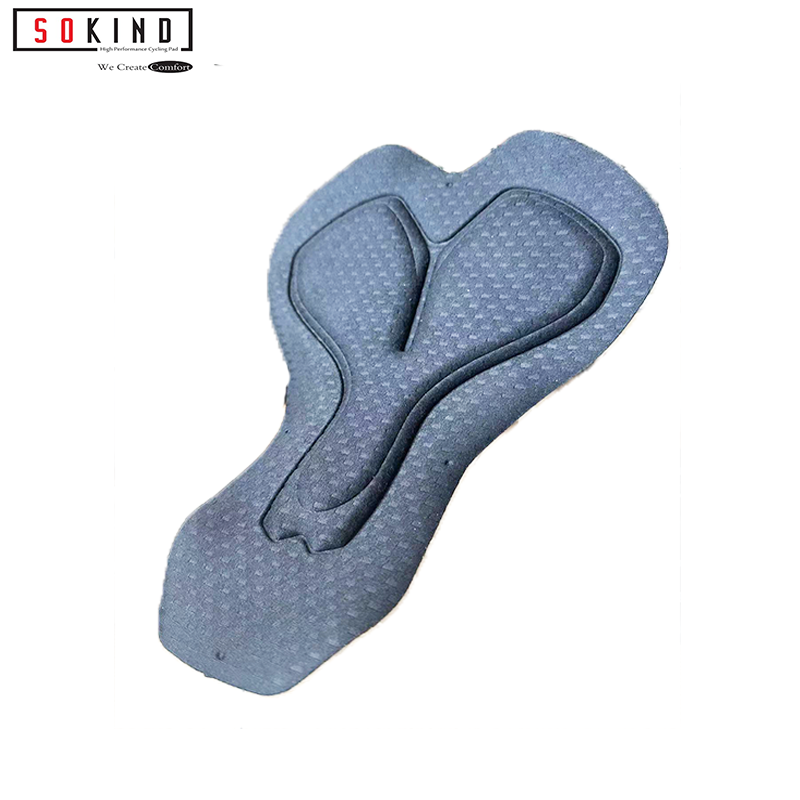
SK-460 is a high-density women’s cycling chamois pad developed for cycling shorts, bib shorts and performance cycling apparel.
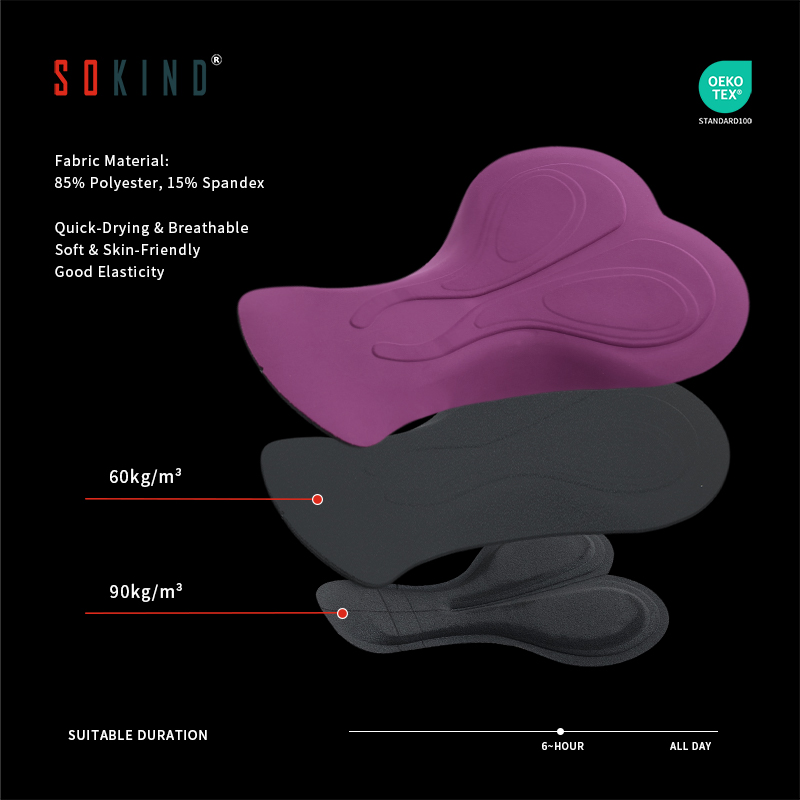
Designed around the female riding position, the pad combines a contoured 3D structure with 60 kg/m³ and 90 kg/m³ reticulated foam to provide targeted cushioning in key pressure areas while keeping the pad flexible and comfortable during movement.
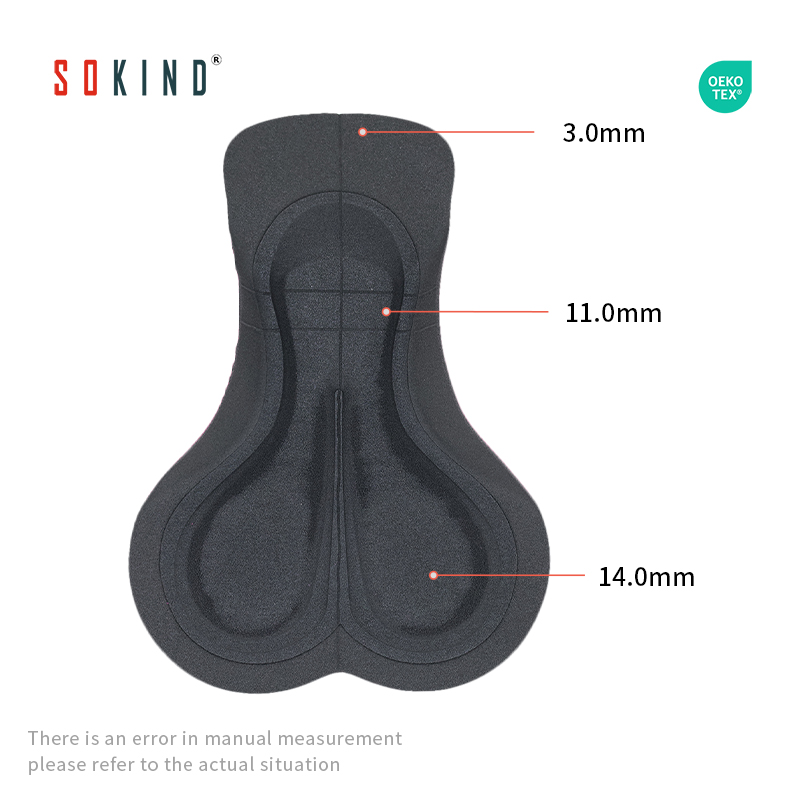
The surface uses an 85% polyester / 15% spandex stretch fabric, providing a soft hand feel, good elasticity and close contact with the body. Zoned thickness reaches up to 14 mm in the main support area to help reduce pressure during medium- and long-distance cycling.
As a professional cycling pad manufacturer, SOKIND supports OEM, ODM and custom cycling pad development for cycling apparel brands, sportswear manufacturers, wholesalers and private-label programs.
Compartir con:
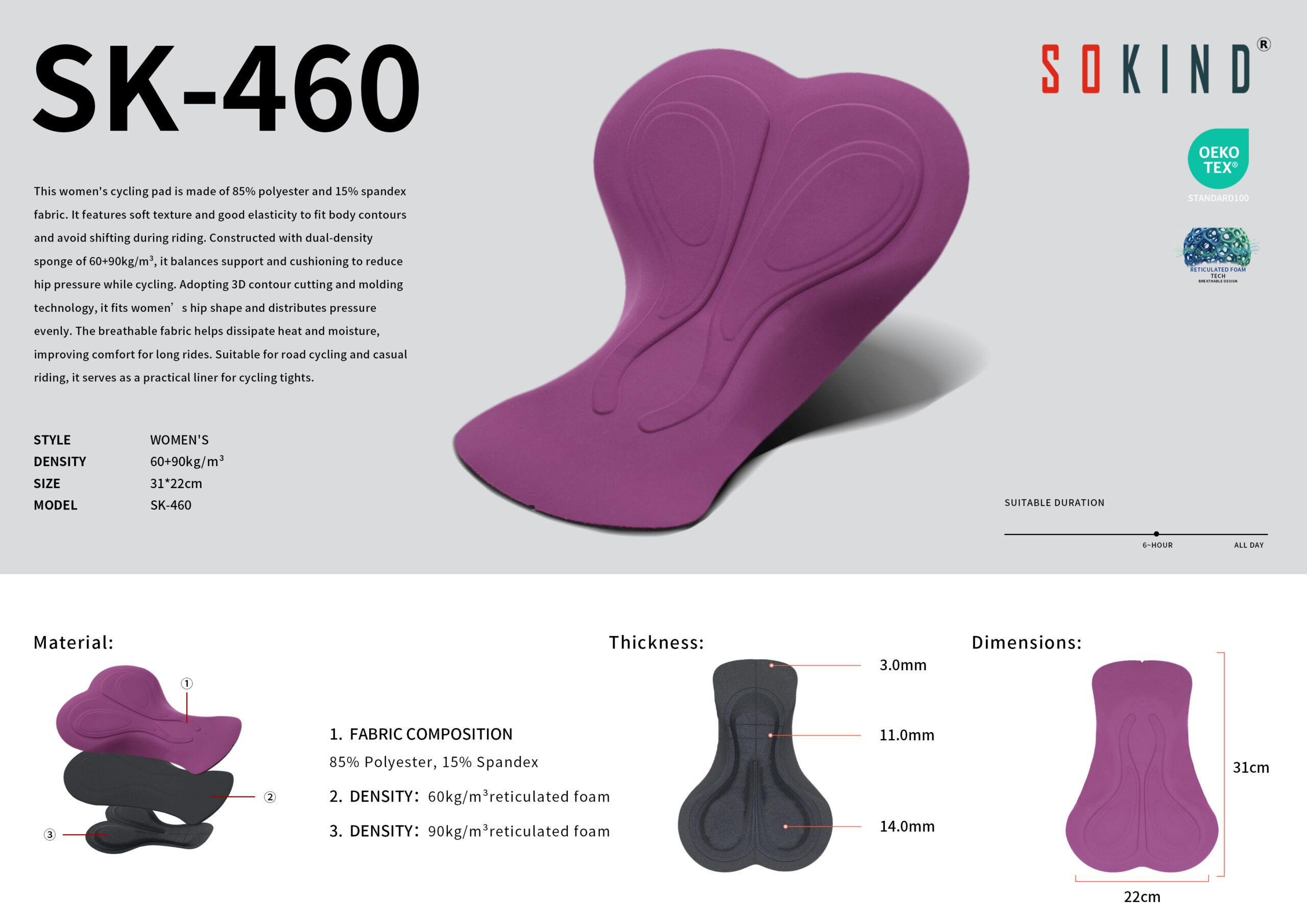
| Item | Especificación |
|---|---|
| Modelo | SK-460 |
| Estilo | Women’s Cycling Pad |
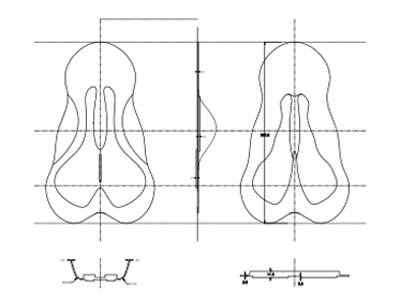
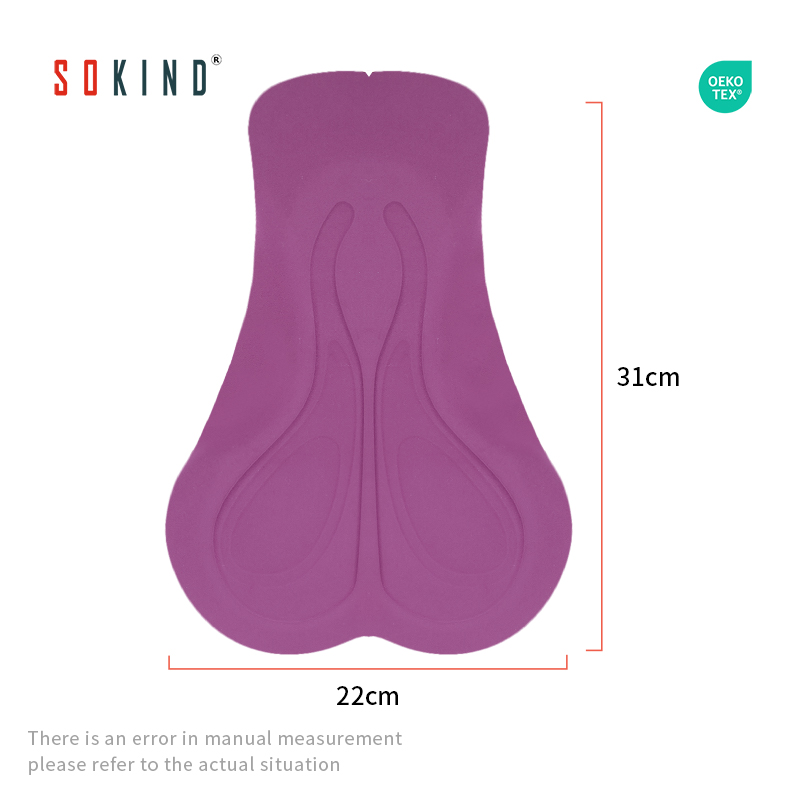
| Pad Size | 31 × 22 cm |
| Tejido | 85% Poliéster, 15% Elastano |
| Foam Structure | Espuma reticulada de doble densidad |
| Densidad de la espuma | 60 kg/m³ + 90 kg/m³ |
| Maximum Thickness | 14 mm |
| Thickness Zones | 3 mm / 11 mm / 14 mm |
| Structure | 3D Contoured |
| Recommended Application | Cycling Shorts / Bib Shorts |
| Riding Application | Road Cycling / Training / Long Rides |
| Customization | Size, Shape, Fabric, Foam, Color & Printing |
| OEM / ODM | Available |
Dimensions and thickness may have normal production and manual-measurement tolerances. Final specifications should be confirmed with the approved sample.
SK-460 combines an ergonomic women-specific shape, dual-density cushioning and breathable stretch fabric in one integrated cycling chamois design.
Its contoured profile follows the female riding position and provides targeted support around key saddle-contact areas. The pad uses 60 kg/m³ and 90 kg/m³ reticulated foam, with zoned thicknesses of 3 mm, 11 mm and up to 14 mm, balancing cushioning, pressure distribution and flexibility without making the pad unnecessarily bulky.
The surface fabric is made from 85% polyester and 15% spandex, giving the pad a soft feel, good elasticity and a close fit inside cycling shorts. Its breathable and quick-drying properties also help manage heat and moisture during longer rides.
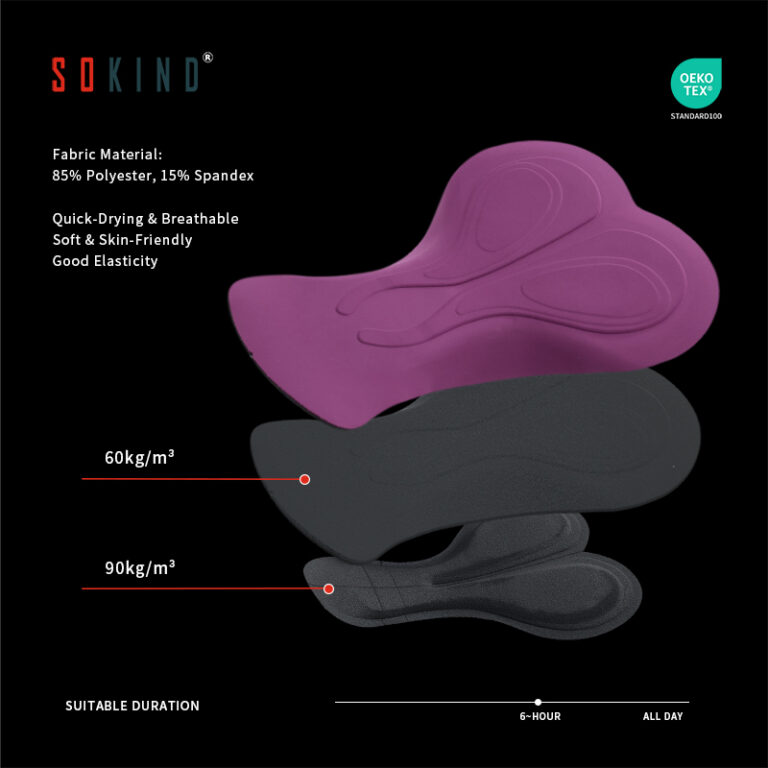
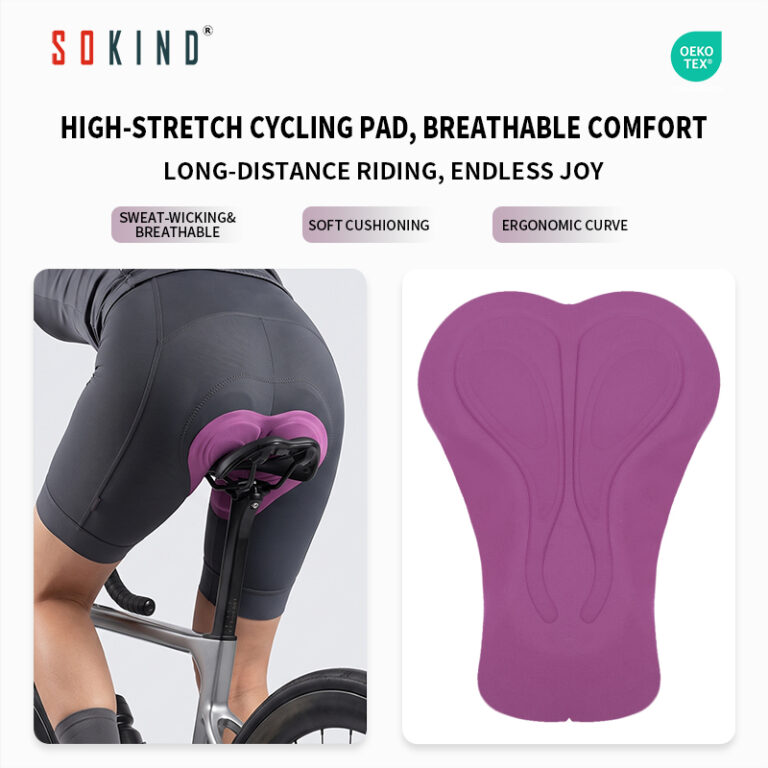
60 kg/m³ and 90 kg/m³ reticulated foam provide different levels of cushioning and support within one pad.
Zoned thickness gives additional cushioning where saddle pressure is concentrated.
The pad profile is developed for women's cycling apparel and female riding anatomy.
Molded shaping helps the cycling pad better follow the body compared with basic flat foam inserts.
85% polyester and 15% spandex provide flexibility and good body conformity.
Materials and construction are selected to help reduce heat and moisture accumulation during cycling.
The pad can be integrated into cycling shorts, bib shorts and other private-label cycling garments.
SK-460 can be supplied as a standard model, or used as the starting point for a customized cycling pad project.
SOKIND’s development team works with cycling brands, sportswear factories and garment manufacturers to adjust the pad according to different product positioning and target users.
Customization can include:
Modify the overall contour according to cycling shorts construction or rider positioning.
Adjust pad length, width and coverage based on garment patterns.
Select different foam combinations depending on comfort, price and riding-duration requirements.
Create different cushioning zones according to product positioning.
Choose from different functional surface fabrics according to softness, stretch, breathability or recycled-material requirements.
Develop colors to match your apparel collection or brand identity.
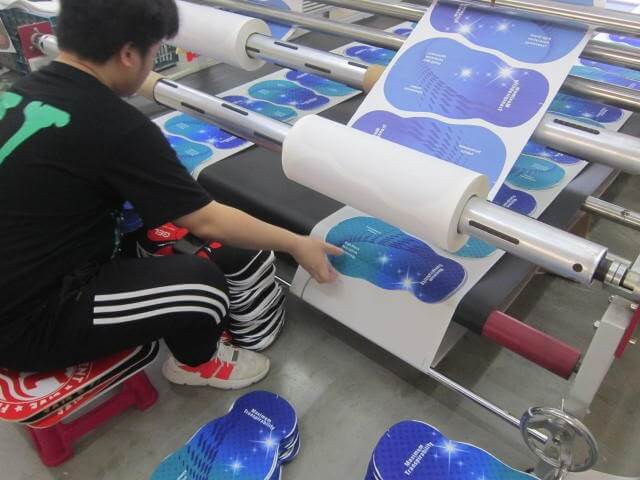
Custom graphic and printed surface options can be discussed according to the selected fabric and production process.
Develop cycling chamois solutions specifically for your cycling apparel collection.
SOKIND currently develops cycling pads according to customer requirements and can develop new materials, foam structures and chamois constructions when existing products do not meet a project’s needs.
A reliable cycling chamois requires consistency not only in materials, but also in cutting, molding, bonding and final inspection.
A typical SOKIND production workflow includes:
Modify the overall contour according to cycling shorts construction or rider positioning.
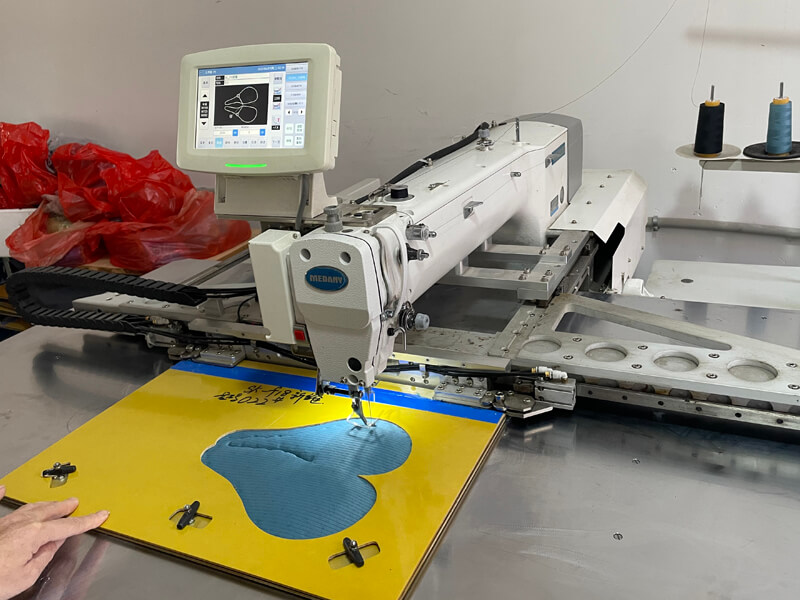
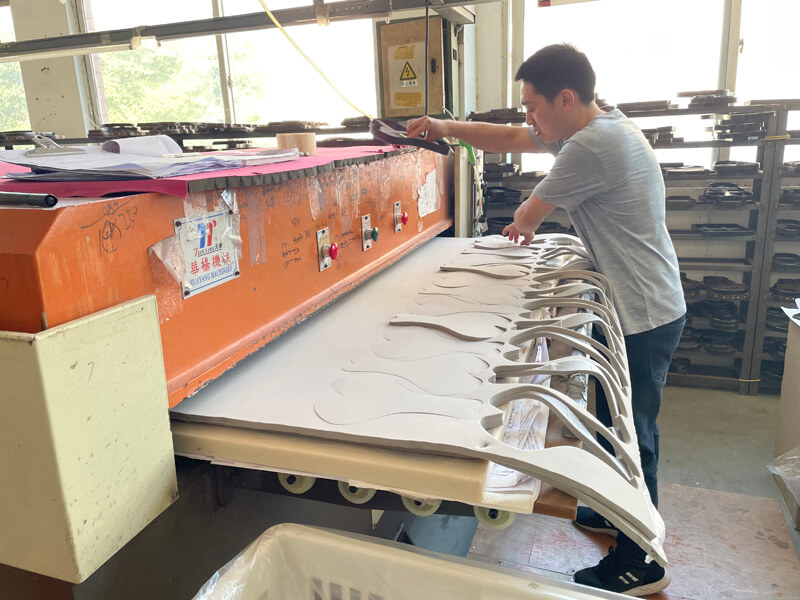
Fabric and foam materials are accurately cut according to the approved design.
Different foam sections are prepared to create the required cushioning zones and ergonomic structure.
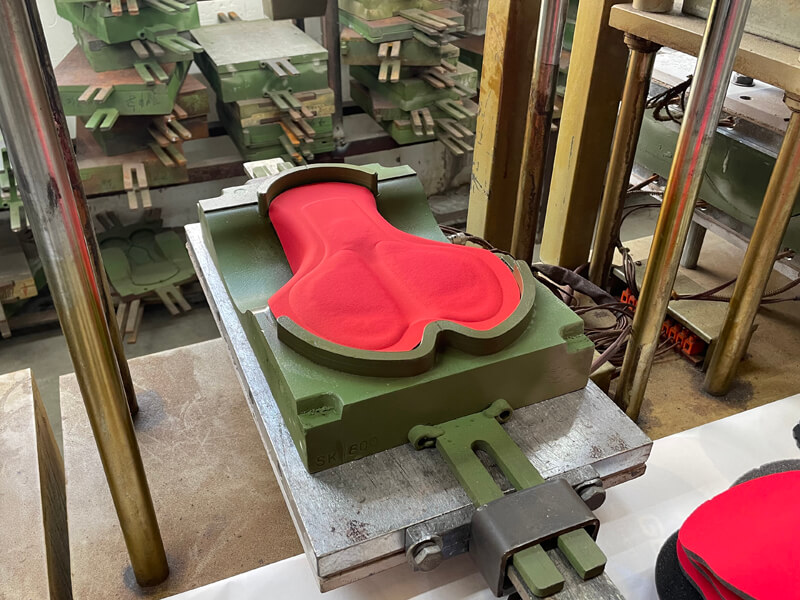
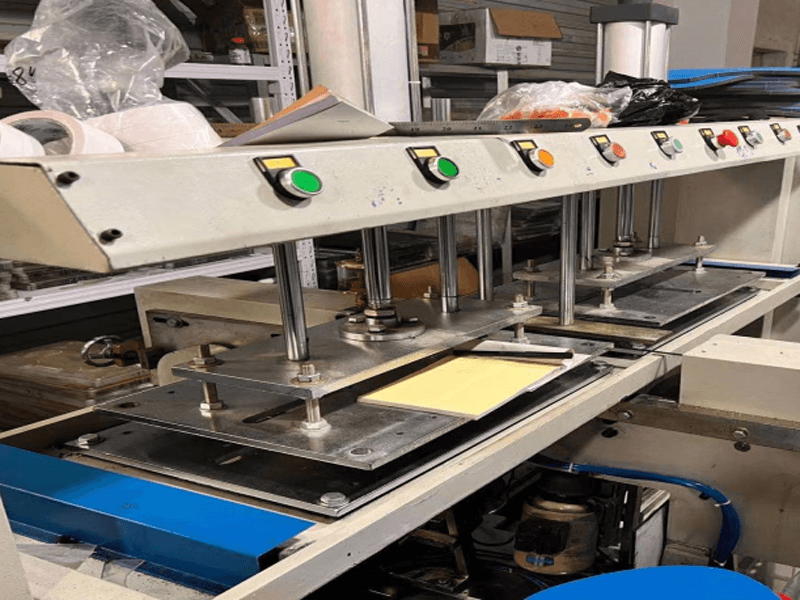
Multiple layers are positioned and pressed together before being molded into the final 3D form.
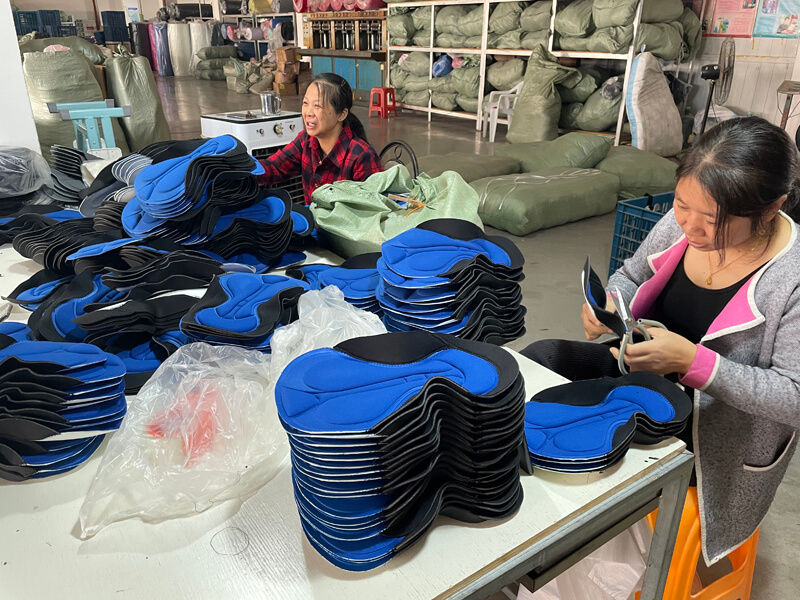
Edges and finished surfaces are checked so that the pad can be efficiently integrated into cycling garments.
Finished pads are inspected before packing and shipment.
SOKIND’s production facilities include die-cutting equipment, heat-pressing equipment, molding presses, skiving equipment and laser machines used across different cycling-pad manufacturing processes. The factory states that finished pads undergo quality checking before packing.
SOKIND supports both standard cycling pads and custom chamois development for cycling apparel brands and garment manufacturers.
Based on your target rider, riding duration, garment pattern and price positioning, we can adjust:
If SK-460 is not the right fit, our team can recommend another model or develop a customized solution for your project.
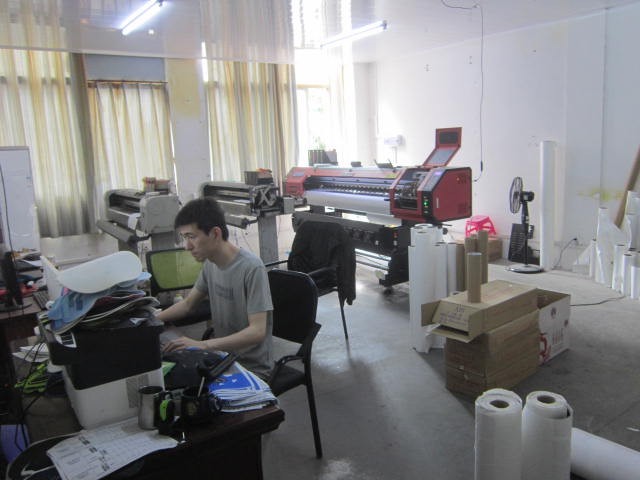
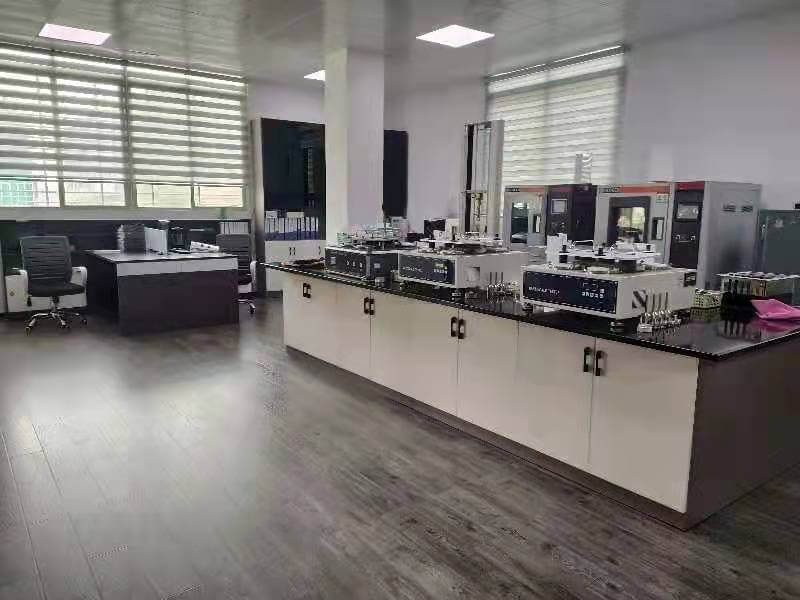
Quality control is carried through material selection, molding, finishing and final inspection to help maintain consistency between approved samples and bulk orders.
Key checks include:
Third-party testing can also be arranged when required.
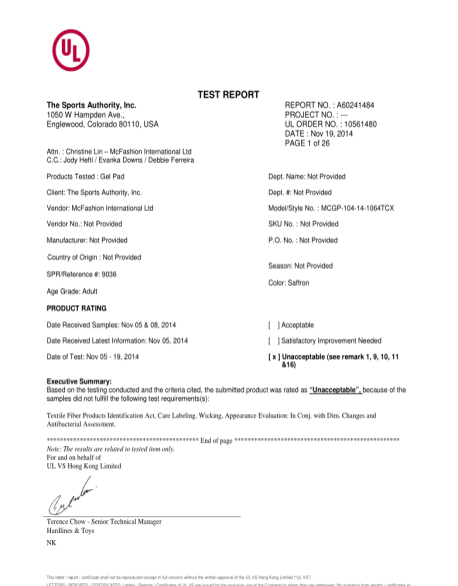
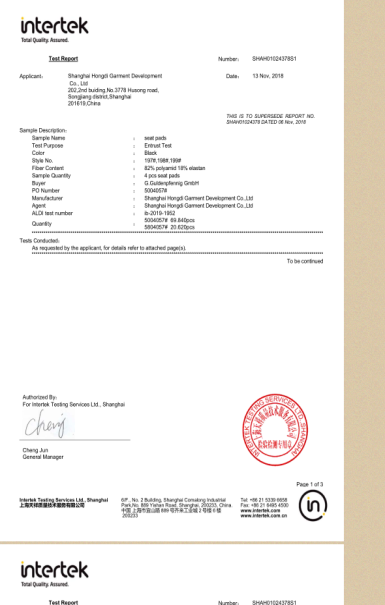
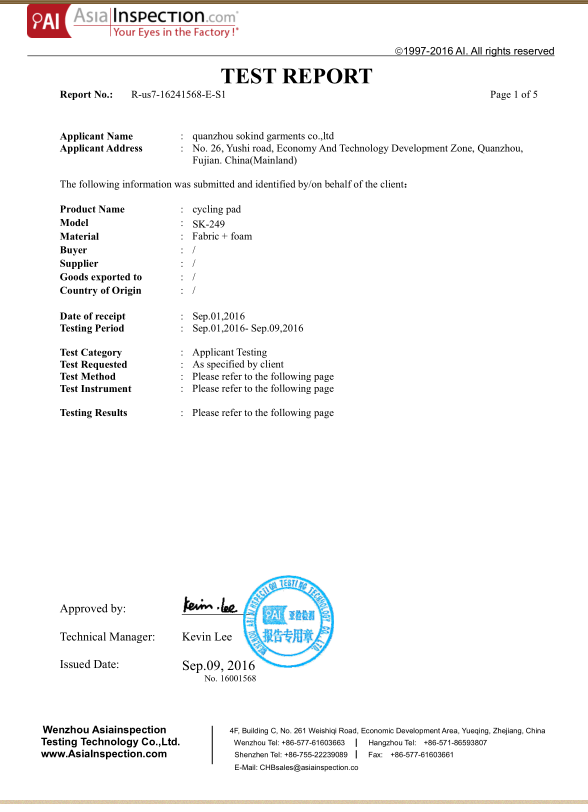
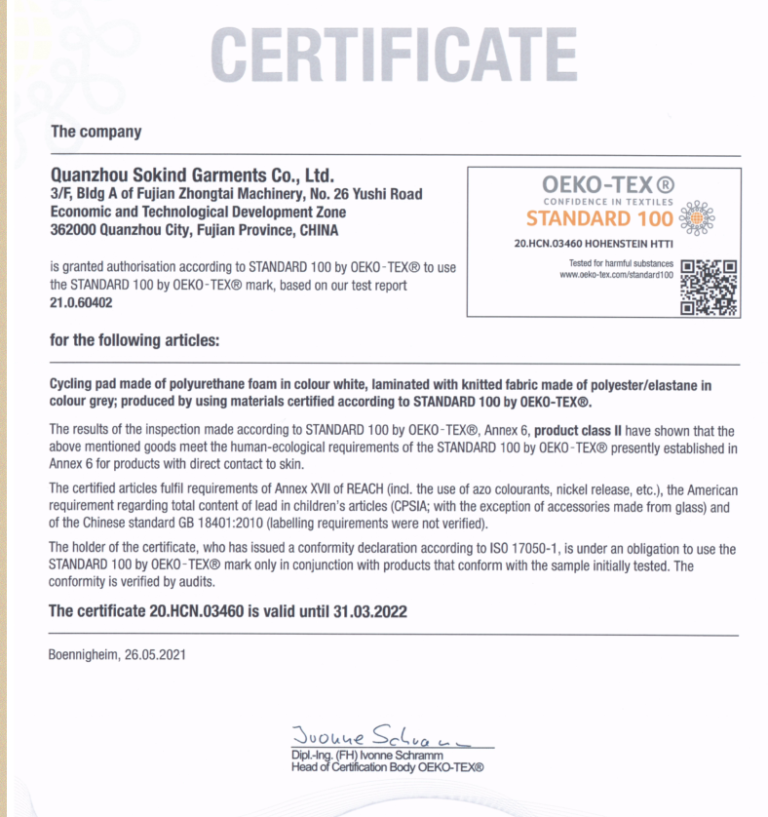
SOKIND focuses on the research, development and production of cycling pads and related cycling garment inserts.
Its dedicated chamois manufacturing factory was established in 2008, and the company has continued developing cycling pad structures, foams, fabrics and production processes for domestic and overseas markets.
Our focus is cycling chamois development and manufacturing rather than general garment accessories.
We help buyers select and develop foam, fabric, shape and pad structure according to actual product requirements.
Standard products and custom cycling pad projects are both supported.
Different materials are available for different riding applications, price levels and markets.
For existing cycling pad models, SOKIND currently states a MOQ of 300 pieces per model, making product testing and smaller cycling apparel programs easier to start.
Samples can be provided after project requirements are confirmed.
A: Yes. SK-460 uses a women’s pad shape with wider support around the main saddle-contact area and a contoured structure designed for women’s cycling apparel.
A: SK-460 combines 60 kg/m³ and 90 kg/m³ reticulated foam to provide different levels of cushioning and support.
A: The pad uses different thickness zones of approximately 3 mm, 11 mm and 14 mm, with 14 mm used in the main support area.
A: The standard pad size is approximately 31 cm × 22 cm.
A: The standard SK-460 surface fabric is 85% polyester and 15% spandex.
A: SK-460 is developed for medium- and long-distance cycling applications and is suitable for products targeting approximately six-hour riding scenarios. Actual comfort varies according to fit, rider, saddle and riding conditions.
A: Yes. We support customization of shape, size, foam, density, thickness, fabric, color and printing according to project requirements.
A: Yes. Send us your cycling shorts specification, pattern, target rider, riding duration and other requirements. Our development team can recommend an existing pad or discuss a custom solution.
A: Yes. Sample arrangements can be discussed after your product requirements are confirmed.
A: SOKIND states that normal production lead time is approximately 3–4 weeks after sample confirmation, depending on order quantity and project requirements.
A: SOKIND is a cycling pad manufacturer with its own production operation covering development, cutting, molding, pressing, inspection and related manufacturing processes.
 Spanish
  English
  Italian
  French